Office Equipment

​3 Problems With Buying Retail Printers Instead of Commercial Printers 

Submitted by Karla Metzler on
Video


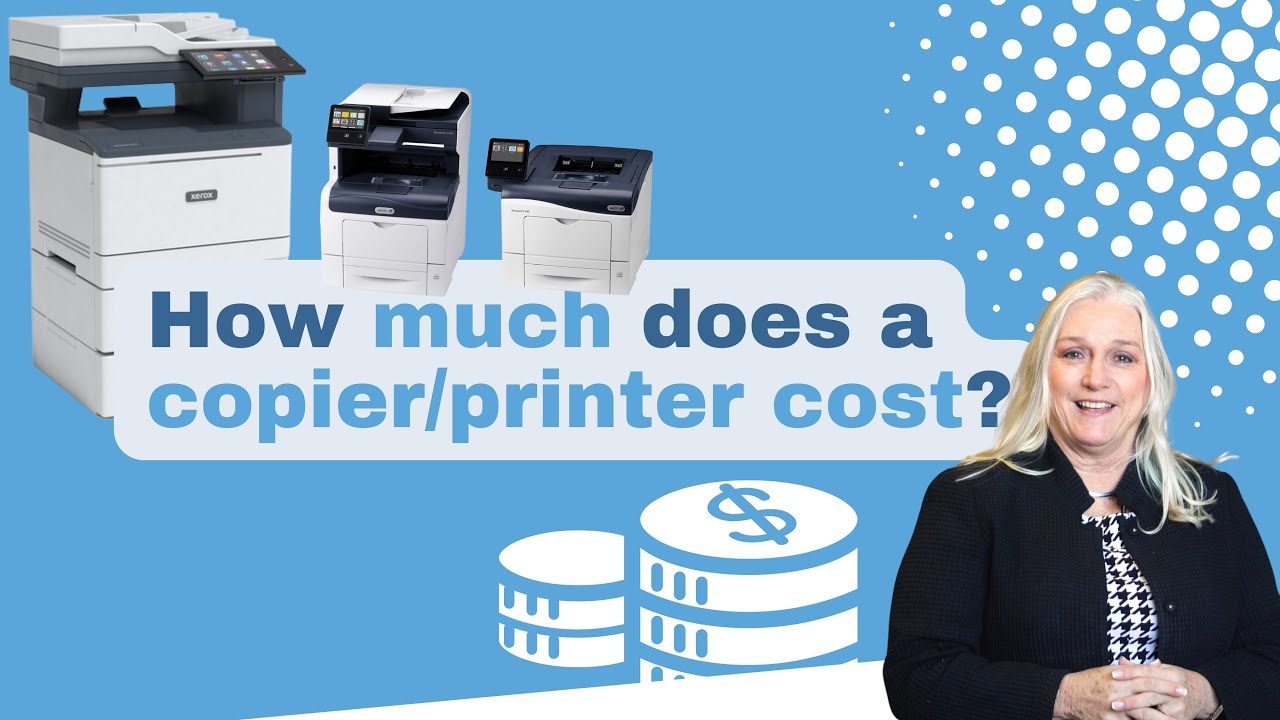
If you’re experiencing issues with your printer or you’re in the market for a new one, you might already feel overwhelmed by the sheer number of options and price ranges out there. A quick search can show printers priced anywhere from under $100 to well over $100,000, all claiming to be the “perfect solution.”

Now, the simplest option would be to go to your nearest retail store…say Walmart, Office Depot, or even Amazon, and pick up a new printer on the cheap.

Easy, quick, and problem solved… right?

Well, it depends.

If you’re a home user or someone who prints occasionally, a retail printer can absolutely be the right choice. But if you’re a business or organization that relies on printing to keep things running, that initial convenience comes with a cost you don’t see until later. And by “later,” we usually mean after the return window has closed.

What Is a Digital Front End (DFE) and Why Does It Matter for Printing?

Submitted by Keith Metzler on

One of the biggest struggles of production printing is having a document look perfect on your screen, only for it to come out slightly off or misaligned when it’s printed. And, the problem isn’t always the printer itself, but rather how the files are prepared and managed before you print them.

The truth is, even the most advanced printers can’t reach their full potential without a little help from technology working behind the scenes.

A Digital Front End (DFE) is a tool that bridges the gap between your computer and your production printer to ensure speed, accuracy, and flawless color from job to job.

At Strategic Technology Partners of Texas (STPT), we’ve know that the right DFE setup can make the difference between a workflow that feels manual and one that runs like clockwork.

Table of Contents

5 Signs You Are an Ideal Customer for STPT

Submitted by Karla Metzler on


Finding the right copier/printer vendor is much like choosing a long-term business partner. You want someone who understands your goals, communicates clearly, and supports you long after the paperwork is signed. A copier contract isn’t something you enter lightly. Depending on your print setup, you may be working with that vendor for years. So, it makes sense to step back and ask a simple but important question:

“Are we actually the right fit for each other?”

At Strategic Technology Partners of Texas (STPT), we value fit just as much as you do. We understand that when expectations, needs, and values align, everything runs more smoothly, from installation to ongoing service.

But when the match is off, even small issues can cause unnecessary frustration and disrupt your entire workflow.

Top Mistakes People Make When Buying a Printer

Submitted by Byanka Ramos on

Did you know that a staggering number of individuals and businesses end up with printers that don’t meet their needs? It’s a common scenario: you purchase a printer, only to discover it doesn’t support color printing or can’t handle the paper size you regularly use.

This is just the tip of the iceberg when it comes to printer purchasing pitfalls. Falling into these can lead to frustration and wasted time.

Imagine investing hundreds or even thousands of dollars into a device that doesn't meet your requirements or costs you more in the long run.

At Strategic Technology Partners of Texas (STPT), we've been helping customers navigate the intricate world of printers for over 35 years. Today, we're addressing four of the most common mistakes people make when purchasing printers. Plus, we’ll share how you can avoid them to help you make a smart investment.

Table of Contents

Retail vs. Brand vs. Vendor: Where Should You Buy Your Next Printer?

Submitted by Karla Metzler on

When was the last time you tried to buy a printer and thought, “Why is this so complicated?” Retail stores mostly offer low-cost devices, brand websites showcase every model under the sun, and local vendors offer business-grade equipment. Choosing the right printer is only half the battle. The other half is figuring out where you should buy it.

Where you buy a printer can influence not only how it performs but also what you pay for it in the years to come.

And while STPT is a print vendor, we’re not here to persuade you one way or another. We want to help you understand the real differences among the three main buying routes: retailers, manufacturer websites, and print vendors. Then, you can make the right decision for your business, team, and budget.

Table of Contents

Are We an Ideal Fit To Switch From a Retail Copier to a Commercial Copier?

Submitted by Karla Metzler on

If you’re using a retail printer for your business that you bought from places like Amazon, Walmart, or an office supply store, you may be starting to see the cracks showing. Maybe it’s slowing down, eating toner faster than ever, or costing more in repairs than it did to buy in the first place. Or maybe your business has grown, and your device just can’t keep up anymore.

At some point, many business owners and office managers begin to wonder whether it’s time to switch from a retail copier to a commercial copier and whether they’re ready for that move.

This blog is designed to help you answer that in the most honest and helpful way possible. While STPT is a print vendor, not every customer will be the right fit for a commercial copier. Our goal is to help you make the right long-term decision for your business, whether that means staying with your current setup for now or exploring something more advanced.

Table of Contents

5 Common Printer Security Mistakes (With Solutions)  

Submitted by Nolan Fowler on
Video


Most offices spend time thinking about antivirus protection, suspicious emails, and passwords. But what about the office printer? It’s usually forgotten about until something goes wrong. And lately, things are going wrong.

According to the 2025 Quocirca Print Security Landscape report, 55% of organizations experienced at least one print-related data loss in the past year. Even more concerning: print security confidence among SMBs is declining as attacks become more frequent and more expensive, averaging nearly $1 million per breach.

How to Choose The Right Paper Size When Printing

Submitted by Byanka Ramos on

Office life would be so much easier if printers could just automatically print any paper size without you needing to make any adjustments. Unfortunately, this is not the case. Two important factors: paper size(also known as media size) and printable area are vital to understand if you want to get accurate prints. Not knowing the difference between these can lead to wasted paper, wasted toner, and wasted time. When you don’t understand the limits of your device, you end up fighting your equipment instead of working with it.

In fact, most reprints, paper jams, and layout mismatches we troubleshoot often stem from a simple misunderstanding of what a printer can physically handle.

How Does Your Copier/Printer Earn Your Company Revenue?

Submitted by Karla Metzler on


When people talk about business revenue, they usually bring up sales strategies, marketing plans, or operational efficiency. Very rarely do they point to the printer in the corner of the office. But did you know your copier or printer plays a much bigger role in your revenue than you might realize?

Printing equipment can boost your marketing impact, operational cost savings, and bring entirely new revenue opportunities. And for many businesses, the key to unlocking that value starts with understanding how your current device is functioning in the bigger picture.

We have decades of experience helping companies evaluate their printing environments. We know that the right device and strategy can directly support growth. This blog breaks everything down in simple, practical terms, so you can see exactly how your printer affects your bottom line and how to maximize your return.

Table of Contents

Churches: 3 Reasons Why You Should Be Doing Your Own Printing

Submitted by Mary Shamburger on

If you’ve ever been a member of or involved with a church, you know it’s busy all year long. Many churches deal with the weekly (and sometimes daily) pressure of preparing things like sermon notes, small-group guides, event flyers, and youth ministry notes on time.

Now consider that many churches still outsource all or most of these materials. Outsourcing can work, but it can also lead to stress, delays, and extra costs. This is especially true for ministries that print frequently or print on tight deadlines.

We’ve worked closely with churches across Texas and Oklahoma and know how much smoother things run when a church has access to its own printer. Better yet, one that fits their budget, volume, and ministry needs. In this guide, we’ll walk you through the top three reasons churches decide to move their printing in-house and how it can support both your staff and your congregation.

Table of Contents

Subscribe to Office Equipment